











Getting hurt on vacation has a way of turning what was supposed to be a fun reset into something stressful fast. Las Vegas is built for movement, crowds, late nights, and distractions, so accidents happen more often than people expect. The tricky part comes after you’re back home in San Diego, dealing with pain, paperwork, and a situation that technically started in another state. It can feel like you’re stuck between two places, not sure where to even begin.
The good news is that you still have options, and most of them are more straightforward than they seem at first. What matters is knowing where your claim lives, who handles it, and how to protect yourself without making your life harder than it already is.
Where Your Case Lives
One of the first things people worry about is whether they have to fly back to Nevada just to deal with the legal side of things. In most cases, the claim is tied to where the accident happened, not where you live. That means Nevada law applies, even if you’re sitting at your kitchen table in San Diego trying to sort it all out.
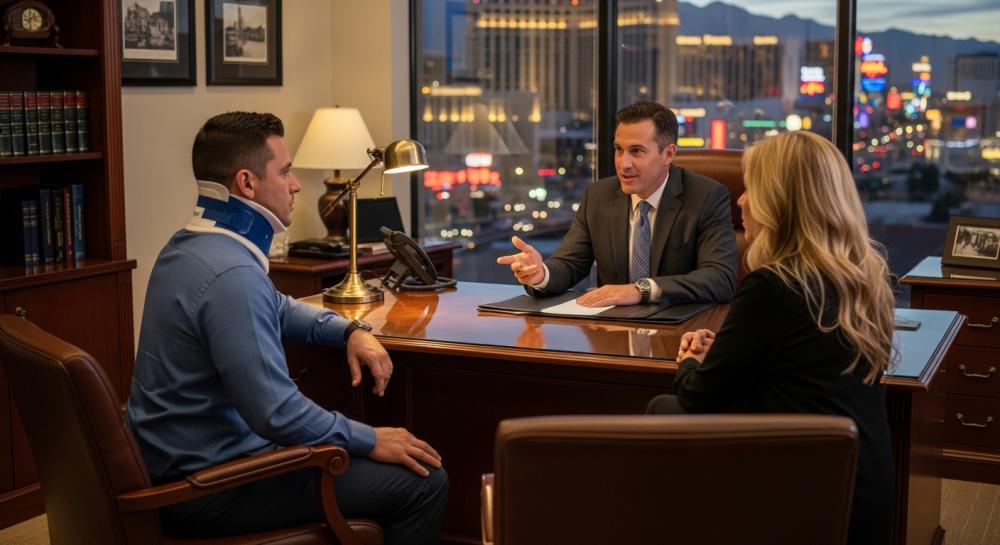
That doesn’t mean you’re constantly hopping on flights. A lot of the process can be handled remotely, especially early on. Documentation, communication with insurers, and even initial legal consultations are often done without you leaving home. The location matters legally, but practically speaking, you’re not as stuck as it might feel.
Finding The Right Help
This is where people either make things easier for themselves or accidentally complicate everything. Not every attorney is equipped to handle an out of state case, and not every situation requires you to hire someone across the country without guidance.
You may come across advice that says a personal injury law firm in Las Vegas is what you need because they understand local courts, local insurance tactics, and the way Nevada law is applied in real cases. That part is true, but it doesn’t mean you have to navigate that search alone. Many San Diego based attorneys have relationships with Nevada firms and can help connect you with someone reputable while still acting as a point of contact for you.
That kind of coordination tends to make a big difference. You’re not left trying to decode legal language from a distance, and you have someone local who can help translate what’s actually happening with your case.
Handling Medical Care
Once you’re back in San Diego, your focus naturally shifts to recovery. This is where things can get messy if you’re not careful. Your treatment is happening in California, but your claim is tied to Nevada. That gap can create confusion if records are incomplete or inconsistent.
The simplest way to handle it is to treat your care like it will be reviewed later, because it likely will. Keep everything organized, follow through with appointments, and don’t downplay symptoms just because you’re tired of dealing with them. What you report early often carries weight later.
It’s also worth paying attention to how providers document your injury. Clear records that connect your condition to the incident in Las Vegas help prevent unnecessary disputes. You don’t need to overthink it, just stay consistent and thorough.
The Emotional Side
Physical injuries get most of the attention, but the emotional toll has a way of sneaking up on people once the adrenaline wears off. You’re back home, routines are trying to resume, and there’s still this lingering disruption that doesn’t quite fit into daily life.

That’s where mental health support becomes part of the conversation, even if it wasn’t something you expected to need. It’s not about turning the situation into something bigger than it is; it’s about recognizing that stress, frustration, and even low-level anxiety are normal responses when something interrupts your sense of control.
Whether it’s talking to someone, leaning on your existing support system, or just giving yourself a little more breathing room than usual, it helps keep things from piling up. Recovery isn’t only physical, even if that’s the most visible part.
Insurance And Paperwork
Insurance companies tend to move quickly at first, then slow things down once the details get complicated. You might hear from adjusters within days, asking for statements or offering early settlements that seem convenient in the moment.
This is where patience pays off. Early offers are often based on limited information, and once you accept one, you usually can’t go back and ask for more if new issues come up. Taking a little time to understand the full scope of your situation can prevent regret later.
Documentation matters more than people expect. Keep copies of everything, emails, bills, reports, even notes from phone calls. It sounds tedious, but it gives you leverage if something doesn’t line up down the road.
Staying Grounded Through It
There’s a tendency to want everything resolved immediately, especially when it started during something that was supposed to be fun. The reality is that these situations take time, and pushing too hard for a quick outcome can work against you.
It helps to treat the process like something you’re managing, not something that’s happening to you. Stay informed, ask questions when something doesn’t make sense, and don’t assume you’re stuck just because it began in another state. You’re allowed to take up space in the process, even if it feels unfamiliar.
A Las Vegas injury doesn’t stay in Vegas once you’re back in San Diego, but it doesn’t have to take over your life either. With the right support and a steady approach, it becomes something you handle step by step instead of something that lingers indefinitely.
Stay Updated!
Join our newsletter for the latest news, resources, and updates.