The post Cross Border Xpress San Diego CBX appeared first on San Diego.
]]>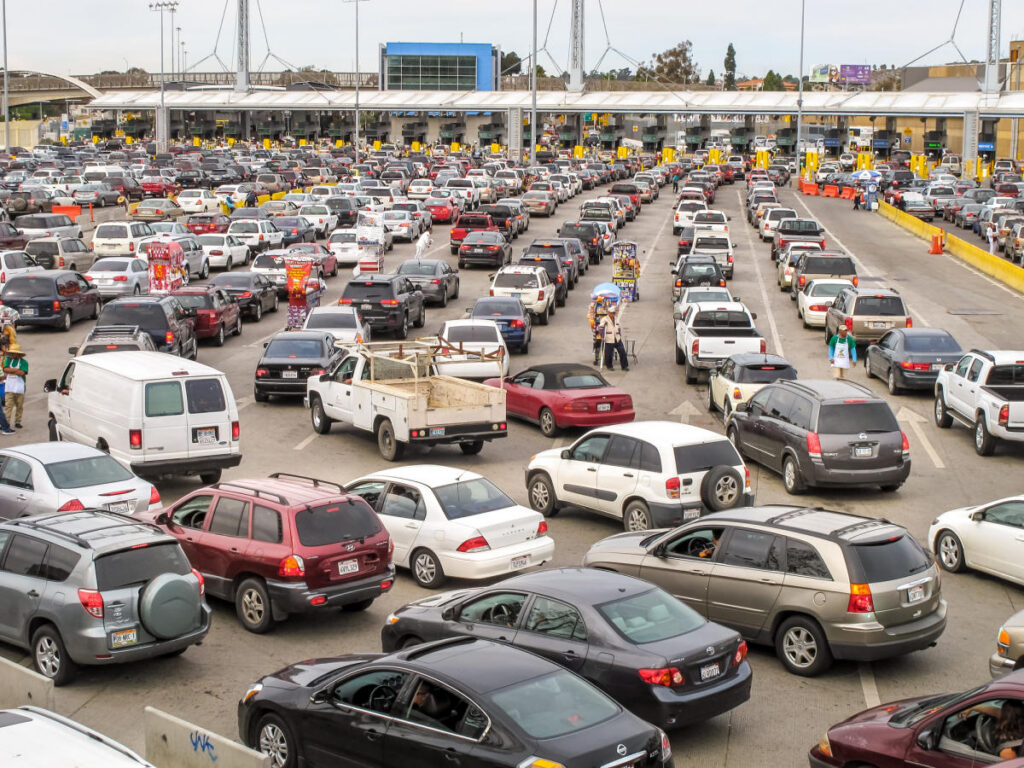
image by iStock|Photo Beto
Why CBX Matters in 2026
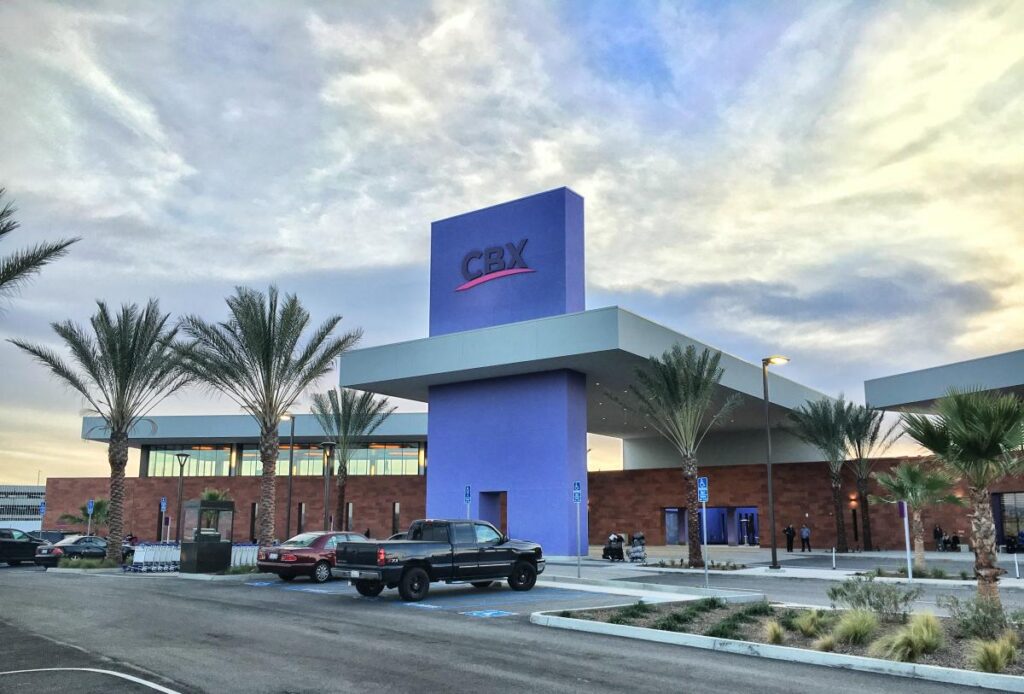
CBX remains a key piece of binational travel infrastructure, one of the few facilities in the world that allows passengers to walk across an international border directly into an airport terminal. By avoiding congested border crossings like San Ysidro or Otay Mesa, travelers can reach TIJ quickly to catch flights to Mexico and beyond, often at lower fares than flying out of U.S. airports.
Local Editor’s Take
For San Diegans and Southern California travelers, CBX isn’t just a travel convenience, it’s a gateway to affordable international flights, especially to destinations throughout Mexico. With airlines like Viva Aerobus, Volaris, and Aeroméxico offering competitive rates from TIJ, many flyers use CBX as a strategy to save on airfare and avoid traditional border hassles.
CBX 2026 Highlights
CBX Celebrates a Big Anniversary
The Cross Border Xpress celebrated 10 years of service in late 2025, marking a decade of seamless travel between California and Mexico. Since opening in December 2015, CBX has helped millions of travelers cross the border securely and efficiently.
New Global Entry & SENTRI Interview Service
Starting January 19, 2026, CBX now hosts Global Entry and SENTRI interviews as part of U.S. Customs and Border Protection’s “Enrollment on Arrival” program. This addition allows eligible travelers to complete trusted-traveler interviews right at the CBX crossing when returning to the U.S., streamlining future international entries.
Expanded Processing Area & Facilities
CBX has been expanding its footprint to improve passenger flow. Recent upgrades include:
- A larger Customs and Border Protection processing area with more inspection booths
- Expanded departures lobby
- New restrooms and broader terminal space
Future plans may add a rental car area, parking garage, hotel rooms, and retail shops to further enhance traveler convenience.
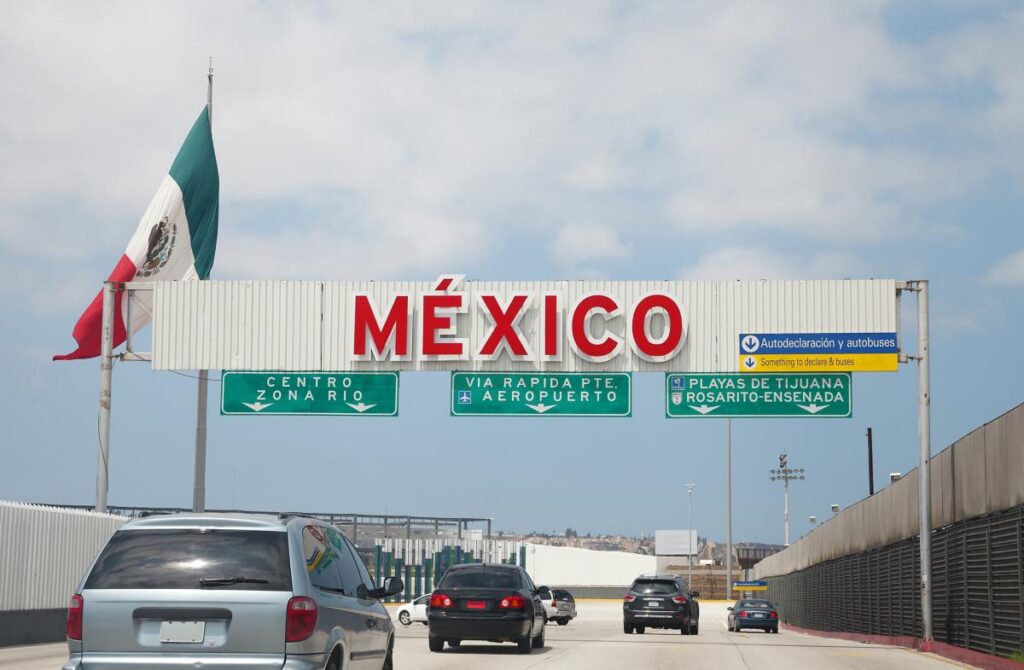
Image by iStock|stellalevi
CBX Ticket Pricing in 2026
Cross Border Xpress ticket prices vary by season, direction, and how far in advance you book, but here are typical ranges for 2026:
Standard One-Way & Round-Trip Ticket Prices
- One-way ticket: approximately $19.95–$26.95 USD (varies by season and travel dates).
- Round-trip ticket: roughly $37.95–$49.95 USD depending on high, regular, or low season pricing.
 For example:
- Low season (e.g., early March through mid-June): around $19.95 one way and $37.95 round trip.
- Regular and high season dates — especially summer and late holiday periods — see slightly higher prices, with one-way closer to $23–$26.95 and round-trip topping near $45–$49.95.
Family & Group Tickets
- Family passes are available for groups traveling together (e.g., 4–6 people) at a discounted rate per person versus buying individual tickets.
Where to Buy
You can purchase CBX tickets:
- Online via the CBX website or mobile app
- At kiosks or counters at the CBX terminal
- Through partner airlines such as Aeroméxico, Viva Aerobus, or Volaris — often bundled with your flight during checkout, though buying directly from CBX is typically cheaper.
Additional Costs to Consider
Parking
Parking near the CBX terminal on the U.S. side typically runs around $20–$25 per day at official lots, with some premium lots costing about $25–$30.
FMM & Immigration Fees
If your stay in Mexico exceeds a certain number of days, you may need to pay for the FMM (tourist permit) often around $30–$35 USD depending on the length of stay.
Money-Saving Tips
 Book online early: CBX tickets are usually cheaper when purchased online rather than at terminal kiosks. Compare airline bundles: Sometimes airlines offer CBX codes at booking, but often direct CBX purchases are significantly cheaper than including it through the airline. Group up: Family or group passes typically reduce the per-person cost.
CBX and Regional Travel Patterns
CBX has become a widely used travel option:
- Since opening, the bridge has handled over 25 million passengers, highlighting its role in regional mobility and the San Diego economy.
- Long-term plans aim to expand CBX’s user base significantly, with goals to serve millions annually by the mid-2030s.
Best Ways to Use CBX in 2026
For International Flights
Flyers often use CBX to access more affordable or direct flights to Mexican destinations like Mexico City, Guadalajara, and more. Airfare from TIJ can be significantly lower than from U.S. airports.
For Trusted Traveler Processing
Global Entry and SENTRI interviews at CBX make it easier to enroll in these programs without an extra trip to a land border or airport enrollment center.
For Efficient Border Crossing
Travelers crossing back into the U.S. with CBX enjoy structured entry through Customs and Border Protection, often reducing wait times compared with regular land ports of entry.
What to Know Before You Go
- You must have a valid flight ticket for TIJ to use CBX.
- CBP processing protocols apply, have your travel documents and identification ready.
- Prices vary by season and ticket type; booking ahead online often offers the best rates.
Plan Your CBX 2026 Crossing
Cross Border Xpress continues to evolve, making international travel from San Diego easier and more efficient. Whether you’re flying south for vacation, business, or family visits, CBX remains a smart alternative to traditional airport routes and land border crossings, now with enhanced services and processing options that reflect growing demand through 2026.
The post Cross Border Xpress San Diego CBX appeared first on San Diego.
]]>The post San Diego to Tijuana Day Trip Guide appeared first on San Diego.
]]>A day trip to Mexico couldn’t possibly get much easier than crossing the border to go San Diego-Tijuana. With multiple entry points and a manageable crossing time, spending the day in TJ is not only simple but offers access to the great food and experiences that set this city apart.
Whether you’re a local looking for a getaway or a visitor hoping to add this popular tourist destination to your list, make sure you have a valid passport and get on your way to seeing the Zona Centro and Playas de Tijuana.
When people hear the word “Baja,” they often assume it simply means “south” or “lower”—which it does in Spanish. So yes, Mexico is technically “under” California. But there’s more to it than that. Baja California is not just a direction—it’s a vibrant and diverse Mexican state that’s part of a unique and beautiful peninsula extending below the U.S. state of California.
Let’s dive into what makes Baja California such a special place to visit—whether you’re a foodie, a wine lover, a beach enthusiast, or a curious traveler.
Understanding the Geography: Two States, One Peninsula
Mexico’s Baja California Peninsula is the westernmost stretch of the country, running south along the Pacific coast. It’s divided into two Mexican states: Baja California (in the north),Baja California Sur (in the south)
To the west lies the Pacific Ocean, and to the east is the Gulf of California (also called the Sea of Cortez). This geography makes the region perfect for ocean lovers, offering everything from surfing to fishing to scenic seaside drives.
What’s in Baja California?
Tijuana: The Northern Gateway
At the very top of Baja California sits Tijuana, just across the border from San Diego, California. It’s a city full of energy, culture, art, and, of course, incredible street food. For many Southern Californians, Tijuana is just as famous as Cabo San Lucas—but with a completely different vibe.
Ensenada: A Coastal Gem
Head about 70 miles south of Tijuana and you’ll find Ensenada, a port city known for its ocean views, seafood, and laid-back charm. Cruise ships often stop here, and it’s a great place to enjoy everything from surfing to sipping local wines.
Valle de Guadalupe: Mexico’s Wine Country
Just inland from Ensenada lies Valle de Guadalupe, often referred to as the Napa Valley of Mexico. This wine region has exploded in popularity in recent years, attracting both serious wine connoisseurs and curious day-trippers. With boutique wineries, farm-to-table restaurants, and stunning desert landscapes, it’s an unforgettable destination—easily reachable from San Diego in just a couple of hours.
Cabo vs. Tijuana: Two Famous Names, One Peninsula
Most travelers have heard of Cabo San Lucas, located at the southern tip of the peninsula in Baja California Sur. Known for its luxury resorts, beaches, and nightlife, Cabo has long been a go-to vacation spot.
But don’t overlook the north. Cities like Tijuana and Ensenada offer a different kind of experience—less resort-driven, more culturally immersive, and much more accessible for a quick getaway from the U.S.
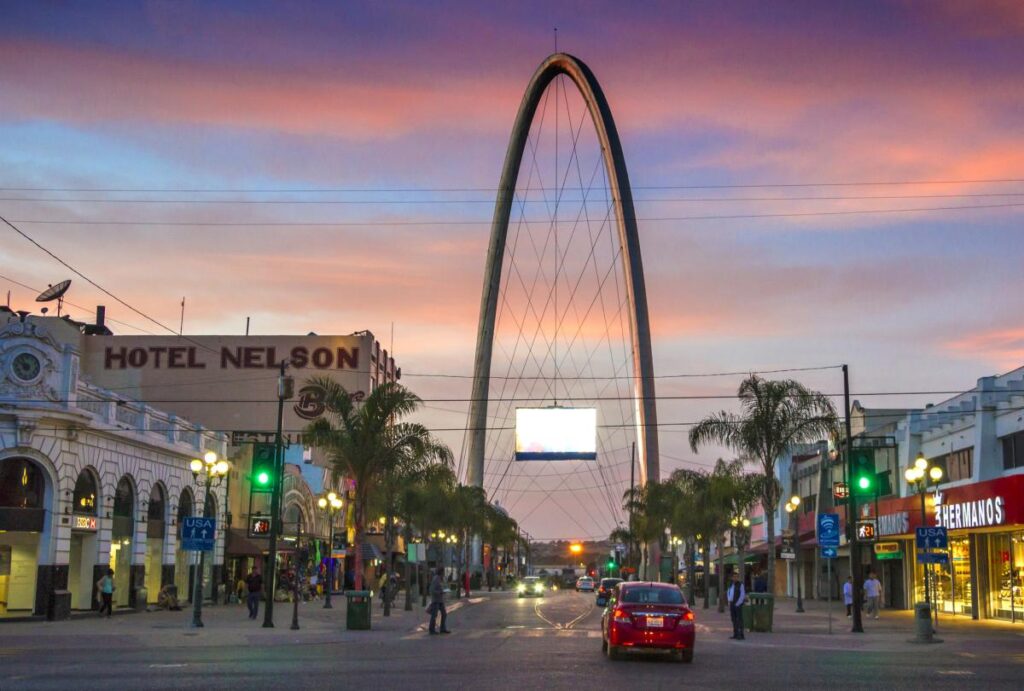
Image by iStock|Denis Kabanov
How to Visit Baja California
Getting There:
From Southern California, Baja California is an easy drive. You can walk or drive across the U.S.–Mexico border at San Ysidro (near San Diego) into Tijuana. If you’re headed to Valle de Guadalupe or Ensenada, renting a car or booking a private tour is the way to go.
Day Trips and Tours:
Many visitors take day trips from San Diego to Valle de Guadalupe to enjoy wine tastings, gourmet meals, and scenic views. Private tours are available, or you can travel on your own with a little planning.
What to Bring:
Make sure you bring your passport, Mexican car insurance if you’re driving, and pesos (though many places also accept U.S. dollars). And bring your appetite—between the tacos, wines, seafood, and artisanal cheeses, you’re in for a culinary treat.
Why Visit Baja California?
Baja California offers the perfect mix of adventure, culture, and relaxation. Whether you’re sipping wine in Valle de Guadalupe, strolling the boardwalk in Ensenada, or enjoying street tacos in Tijuana, you’ll experience a side of Mexico that’s both authentic and incredibly welcoming.
So next time someone mentions “Baja,” you’ll know—it’s not just south. It’s a destination all its own.
Visiting Tijuana
If you appreciate Mexican cuisine, good beaches, and Mexican culture, visit Tijuana. You are sure to make your Tijuana trip enjoyable with Mexican food, Tijuana tours, craft beer, and easy access back to downtown San Diego via the San Ysidro trolley station. It can be refreshing to grab street tacos and shop with market vendors before visiting a museum or grabbing a drink and hitting the beach. Really, anything you imagine for your day in Mexico, Tijuana will be waiting to offer.
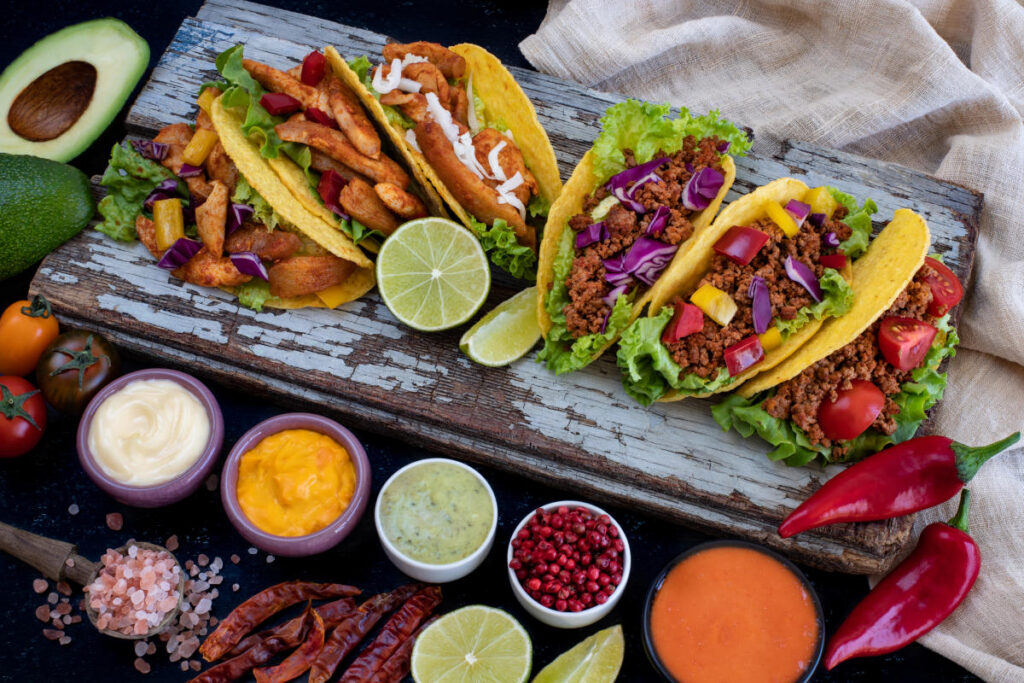
Tasting Tijuana: Where to Eat and Explore in Zona Centro
No trip to Tijuana is complete without diving into the city’s bold, colorful, and creative food scene. From traditional tacos to gourmet bites, the options are endless—and you don’t need a tour guide or a car to enjoy it all.
Start your culinary adventure in Zona Centro, Tijuana’s bustling downtown district. Here, everything from casual street food to elevated fusion cuisine is within walking distance.
Telefónica Gastro Park: A Must-Visit Food Haven
Just a short walk from the heart of downtown, Telefónica Gastro Park is one of Tijuana’s most beloved food destinations. This open-air food hall is home to a collection of innovative food trucks, artisanal vendors, and a central bar offering local craft beers, wines, and cocktails.
You’ll find something for every palate—from juicy burgers and grilled seafood to plant-based tacos and handmade desserts. Whether you’re a die-hard carnivore or a dedicated vegetarian, Telefónica has options to satisfy your cravings.
Upon arrival, you’ll walk into a lively outdoor dining space, lined with food stalls on both sides. You can grab a seat here, or head into the indoor section tucked under terraced steps. Inside, you’ll find more vendors serving things like specialty coffee, craft sandwiches, local cheeses, and smaller snacks.
Pro tip: Head upstairs to the second-floor balcony for a quieter experience. You’ll enjoy views of the gastro park and downtown Tijuana, plenty of sunlight, and a more relaxed atmosphere.
What to Eat: Classic Flavors and Creative Twists
While menus vary, here are a few staples you won’t want to miss:
Fish tacos – A Baja classic, usually served crispy with fresh salsa and creamy sauce.
Craft beer – Tijuana’s beer scene is growing fast, and Telefónica’s bar features some of the best regional brews.
Street-style snacks – From spicy elotes (grilled corn) to loaded fries, you’ll find plenty of shareable bites.
Global fusion – Think Korean tacos, Mediterranean bowls, or gourmet hot dogs with a Mexican twist.
It’s the perfect spot to sample multiple dishes without having to travel far—or break the bank.
More Local Flavor: Beyond Telefónica
Of course, Telefónica isn’t the only game in town. Tijuana is packed with food trucks, market stalls, taquerías, and restaurants—each offering its own slice of local life. Don’t be afraid to venture a few blocks off
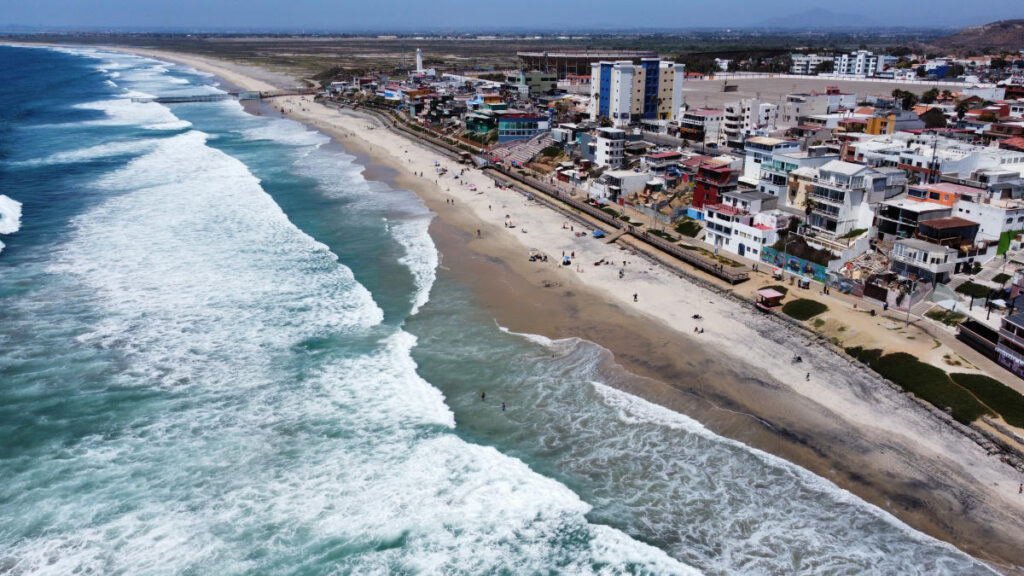
Beaches in Tijuana
Tijuana isn’t just about food and nightlife—it also boasts beautiful beaches just minutes from downtown. Playas de Tijuana is the city’s main beachfront area, ideal for a quick seaside escape. For surfers, Baja Malibu, just south of the main beach, is a favorite spot, though it can get busy on weekends.
If you have more time, head 20 minutes south to Playas de Rosarito or continue 45 minutes to La Fonda for a quieter coastal vibe. But for a convenient beach day—especially if you’re coming from San Diego—Tijuana’s city beaches are your best bet for sun, sand, and ocean views without the long drive.
About the San Ysidro Border
The San Ysidro Port of Entry is the busiest land border crossing in the world, connecting San Diego and Tijuana. With over 90,000 people crossing daily—by foot or vehicle—it’s a vital hub for commuters, families, and travelers alike.
Since opening in 1970, it has grown to accommodate more than 106 million people annually, along with 48 million vehicles. For many, crossing the border is a regular part of life, much like commuting between neighborhoods in a major city—except this one happens to span two countries.
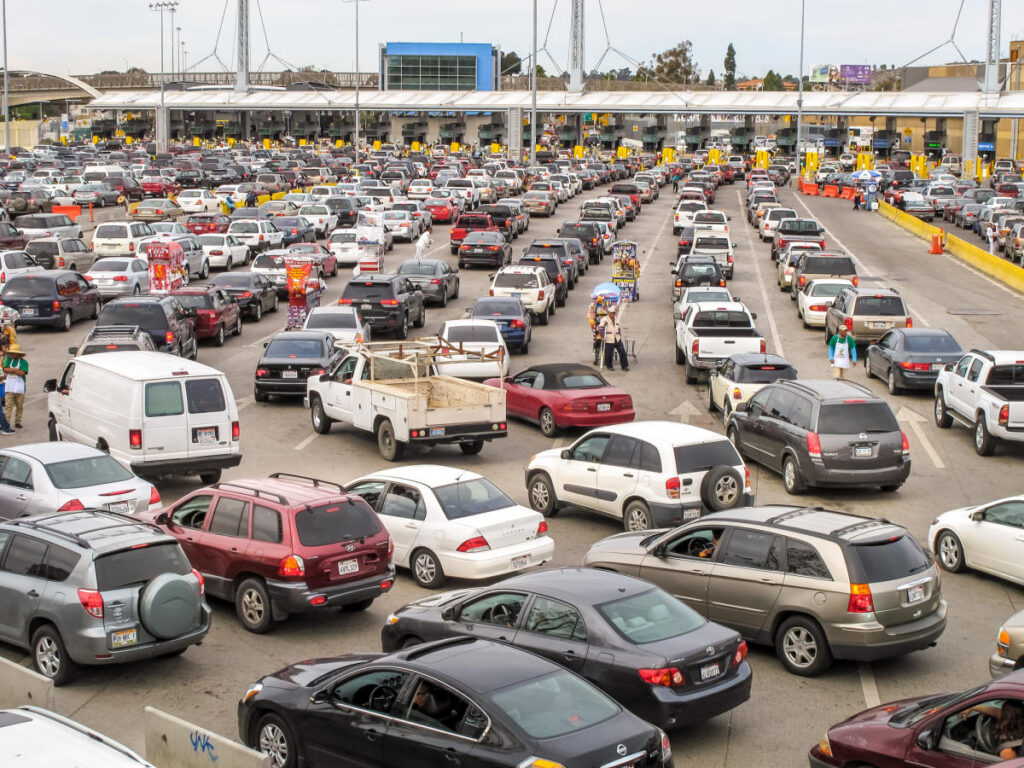
Image by iStock|Photo Beto
San Diego’s 3 Border Crossing Locations
There are three ports of entry between San Diego and Tijuana, each serving different needs:
- San Ysidro Land Port of Entry
This is the busiest and most popular crossing—perfect for day trips to Tijuana, Ensenada, or Rosarito. It’s easily accessible without a car, places you right in the heart of Tijuana, and is the best option for most travelers. If someone says they’re “crossing the border,” this is likely where they mean. - Otay Mesa Border Crossing
Located farther east, Otay Mesa is usually faster but less convenient. It’s better for commercial traffic or travelers avoiding long lines, but it’s not ideal if you’re heading to or from central San Diego or central Tijuana. Return via San Ysidro if possible for a smoother trip back. - CBX (Cross Border Xpress – Tijuana Airport)
CBX is a pedestrian bridge that connects directly to the Tijuana International Airport. It’s only for airline passengers with valid tickets and ID, and can’t be used for casual border crossings. However, if you’re flying into Mexico, Tijuana’s airport is often cheaper than flying from San Diego—making CBX a great option for international trips.
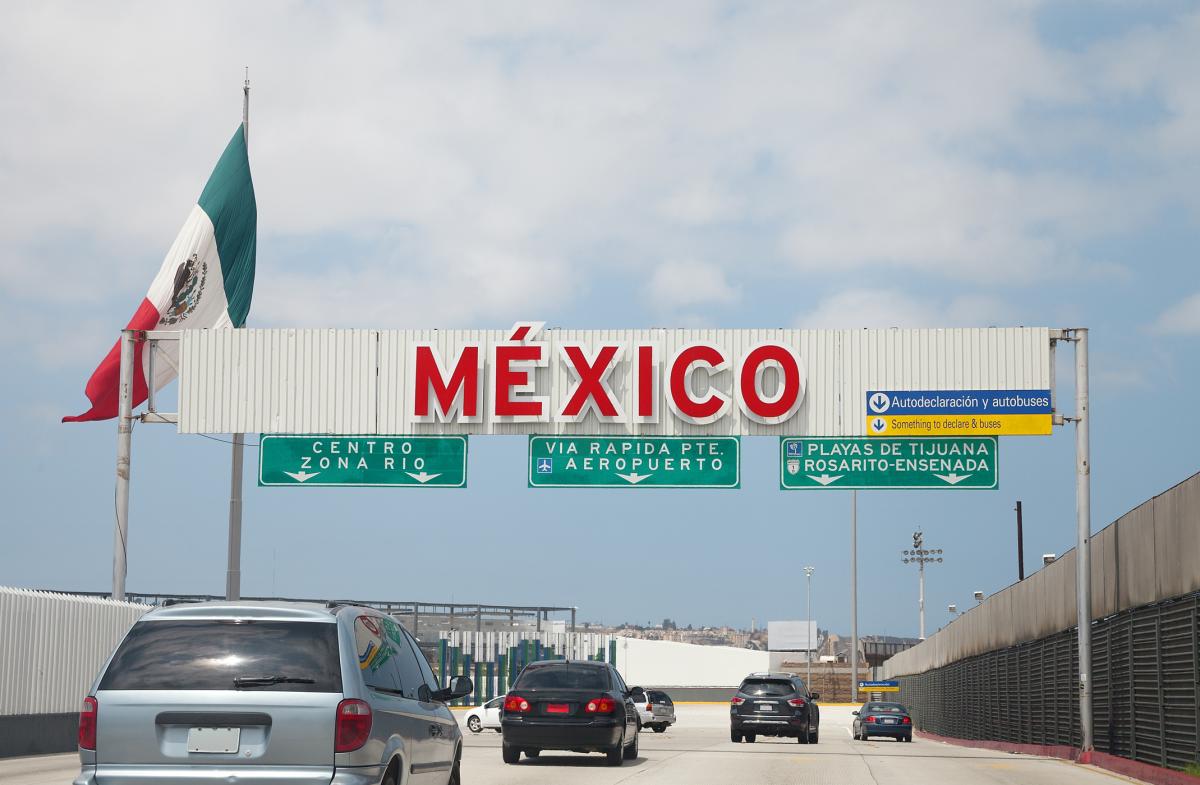 Image by iStock|stellalevi
Crossing the San Ysidro Border: How to Get There and What to Expect
If you’re visiting Tijuana from San Diego, the easiest way to cross is usually via the San Diego trolley. Starting at downtown’s Santa Fe Depot, hop on the Blue Line straight to the San Ysidro border station—the trolley’s last stop. This is a smooth, hassle-free way to get right to the border on foot without worrying about parking or driving in Tijuana.
Once you cross on foot at the San Ysidro Port of Entry, you’ll be steps away from downtown Tijuana, where taxis, Ubers, buses, or just walking can take you anywhere you want to explore.
Driving to San Ysidro
If you prefer to drive, head south on I-5 until you reach the end, which turns into the El Chaparral vehicular entry point. Follow the “International Border” signs. Keep in mind that driving means dealing with Tijuana traffic and parking, but it’s a good option if you want to visit beaches or explore at your own pace.
Using Otay Mesa Port of Entry
The Otay Mesa crossing is farther east and often less crowded than San Ysidro, but it’s less convenient if you want to get to central Tijuana or San Diego. This crossing connects San Diego’s Otay Mesa neighborhood with Tijuana’s Otay Centenario borough. It’s worth considering if you want a quicker, less congested crossing and don’t mind a longer drive.
What About the Cross Border Xpress (CBX)?
The CBX is a pedestrian bridge that connects directly to Tijuana International Airport. It’s only for travelers with airline tickets flying in or out of Tijuana, so it’s not an option for casual day trips. If you’re flying to other parts of Mexico from Tijuana, CBX lets you skip the long lines at San Ysidro and Otay Mesa.
The post San Diego to Tijuana Day Trip Guide appeared first on San Diego.
]]>The post Your Guide to Crossing the San Ysidro Border appeared first on San Diego.
]]>San Diego is home to California’s southernmost city, Imperial Beach, and shares a border with the popular Tijuana, Mexico. So, how does one get from one city to the next? They’re right next door… but there is still an international border in the way.
The San Ysidro Land Port of Entry is by far the busiest land crossing point between the United States and Mexico. The most easily accessible border crossing between the hubs of Tijuana, Mexico, and San Diego, California, can be crossed by foot or via the connected El Chaparral vehicle crossing point, providing access for long- and short-term travelers.
This border crossing location is easy to navigate, though it can be overwhelming if you’ve never crossed into a different country by land before. This port of entry will offer a different experience than that of an airport or cruise terminal, and we are here to give you some insight.
About the San Ysidro Border
The San Ysidro zone of entry is the Tijuana border crossing location that is most used to get to Baja California.
When it comes down to it, this port of entry, combined with the El Chaparral vehicle lanes, is considered the busiest of the international crossings in the world, based on individual and vehicular crossing from one country to the next.
The border crossing, which can sustain immigration, quick travel, individual and family trips, and other customs needs, is the busiest international land border inspection station and crossing in the Western Hemisphere. That is no small feat.
The San Ysidro border sees over 106 million individual crossings each year, while a whopping 48 million cars and trucks also annually pass through the El Chaparral section of San Ysidro.
Established in 1970, the entry zone has grown to see over 90,000 daily commuters crossing between these two nearby cities. In the same way that one might take a day trip to a nearby suburb or work in the next town over, locals of the region use the San Ysidro crossing frequently for various reasons.
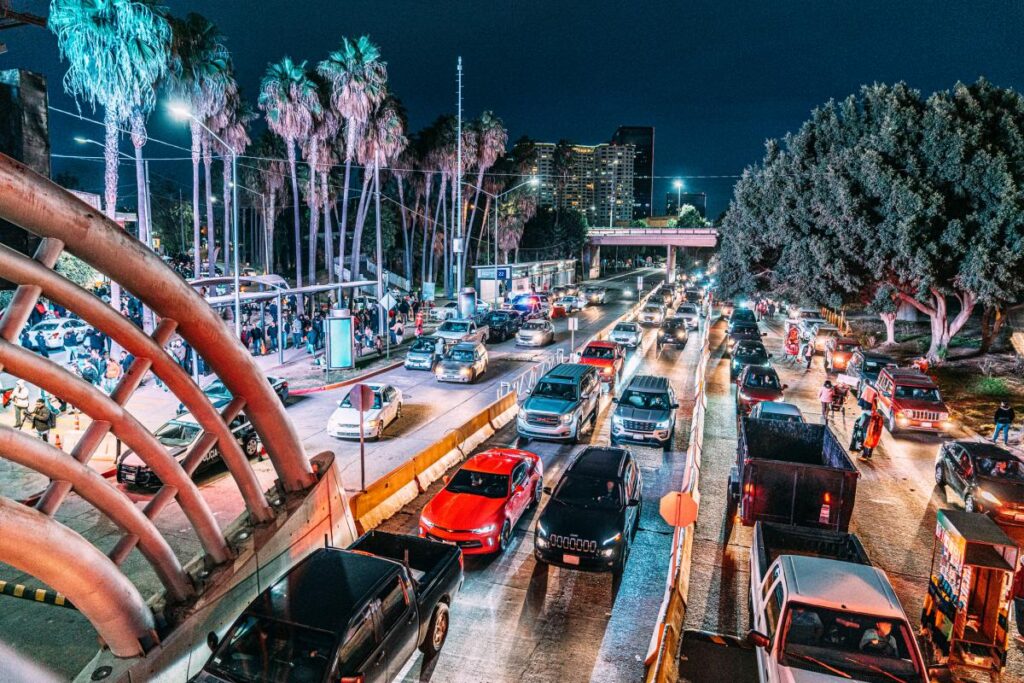
Image by iStock | Jeremy Poland
San Ysidro Expansion Project Overview
There was a huge expansion project that was meant to maintain the San Ysidro land port as the most accessible, busiest of the three ports. The goal was to do this without too many long lines and wait times holding up the pedestrian bridge or El Chaparral vehicle lanes.
The completion of this expansion project came in 2019, 8 years after its 2011 initiation, and focused on the following:
- Expanding and modernizing the existing land port for the community
- Creating a “Port of the Future” that included sustainable design and technology
- Adding 38 new vehicle inspection booths
- Adjusting and realigning the lanes of Interstate 5 connected to El Chaparral
- Unveiling a new, bidirectional, pedestrian crossing and a multimodal transit center
The history of this Tijuana border crossing, combined with its recent enhancements, shows why this is one of the three ports in San Diego that not only has the longest border wait times but also can sustain the most travel. If you’re looking to go to Baja for a weekend, or travel throughout Mexico, this is likely the customs point you’ll be utilizing.
Required Documentation – U.S. to Mexico
You may be asking, before all else, what documentation you’ll want to have prepared before going across the Tijuana border crossing from the United States to Mexico. Most of these requirements are set, regardless of age, for all members of each community.
Mexican Nationals:
- Valid passport, INE credential, birth certificate, consular card or Mexican nationality certificate
Foreigners:
- Valid passport (book or card)
- FMM Form (Forma Migratoria Múltiple)
- Payment of migratory rights (only if your stay is longer than 7 days)
Required Documentation – Mexico to U.S.
Now, let’s talk about what you might need on your trip from Mexico to the United States.
U.S. Citizens or Residents:
- Valid passport (book or card) or Permanent Resident Card
Foreigners:
- Valid passport
- Visa
- I-94 permit. All passengers, except for U.S. citizens and residents, traveling more than 25 miles (approx. 40 km) from the border or staying more than 30 days in the United States will be required to prepay and complete their provisional I-94 permit before crossing through points of entry.
- You can also pre-pay your I-94 when you download the CBP One app
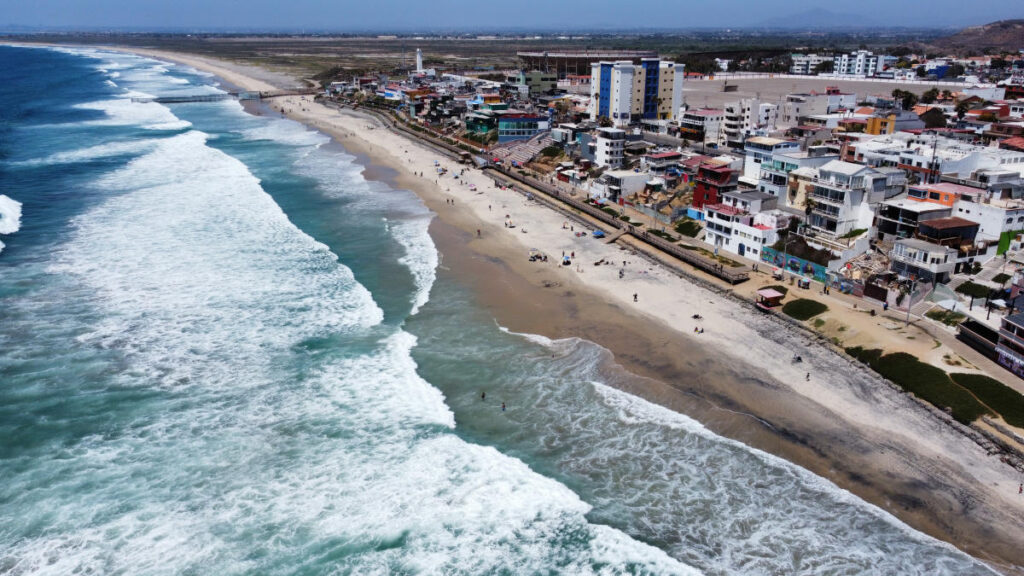
Image by iStock | Adrian Duran
Using the San Ysidro Port of Entry
It’s quite easy to cross between Mexico and the United States via the Tijuana border crossing at San Ysidro’s land border inspection station.
You’ll speak to border protection officials after waiting in line to cross the U.S.-Mexico border, but more often than not conversations are quick.
Anyone coming into Tijuana to visit from California will need to fill out an FMM, or a Visitor’s Permit, which is free if the trip is less than 7 days long.
Much like you get forms to fill out when entering the country on an airplane, this is a quick and simple form declaring your entry. You’ll do this for day trips and longer stays alike, whether you pass through on foot or in a car.
Getting to the San Ysidro Border from San Diego
How does one get to the border’s port of entry, you may ask. If you’re intending to drive down to Tijuana from San Diego, simply take the Interstate 5 highway going south and follow signs for the International Border.
If you want to walk across the border to avoid parking, driving, or any other part of dealing with your car, utilize San Diego’s trolley system instead. You can take the Blue Line running south until you end at the last stop: San Ysidro, which makes the directions very easy to follow.
Then, wait in line either on the highway or behind other pedestrians on the walkway into Mexico.
The San Ysidro Port of Entry is not the only way to get between Tijuana and San Diego, though. Two other options may offer more ease and/or speed, depending on where you’re coming from, how you are traveling, and other factors.
The 3 San Diego Border Crossing Locations
Let’s go over the 3 different San Diego ports of entry that connect the U.S. to Mexico. Each has benefits and uses that make it unique. The options range across the San Diego region, from east to west, and connect SoCal with Baja California quite nicely.
1. San Ysidro Land Port of Entry
This is the biggest, most accessible crossing in the region, and is the one that most visitors will use if they opt to visit Tijuana for a day. In fact, if you don’t have a car, the trolley system makes this by far the best option for a quick trip to the border.
The busiest of entry points, the wait time may be longer, but it is more ‘on the way’ as you travel between both cities and their downtown spaces. It is the furthest Tijuana border crossing to the west and tends to be a hub for both pedestrians and drivers in the community.
2. Otay Mesa Border Crossing
Otay Mesa border crossing, on the other hand, is much faster to cross. It is located east of the San Ysidro ports, which makes it less convenient for anyone looking to pass between central San Diego and Tijuana regions.
Entering Mexico from the United States side of the border is done via the I-5 or I-805, and, though it’s faster to cross, it is much more difficult to access from the Tijuana side.
3. CBX (Tijuana Airport) Border Crossing
The CBX, Cross Border Xpress, is the third crossing point between San Diego and Tijuana, and services only travelers who hold boarding passes through the Tijuana International Airport, along with their identification.
Designed as a pedestrian bridge, most often utilized for southbound pedestrian crossing, the border wait times are lower here as fewer travelers enter Baja California through the airport’s two connected terminal areas.
This is the fastest of all the options, with exponentially shorter wait times, and is the most convenient by far if you are using the Tijuana airport’s services.
The post Your Guide to Crossing the San Ysidro Border appeared first on San Diego.
]]>